
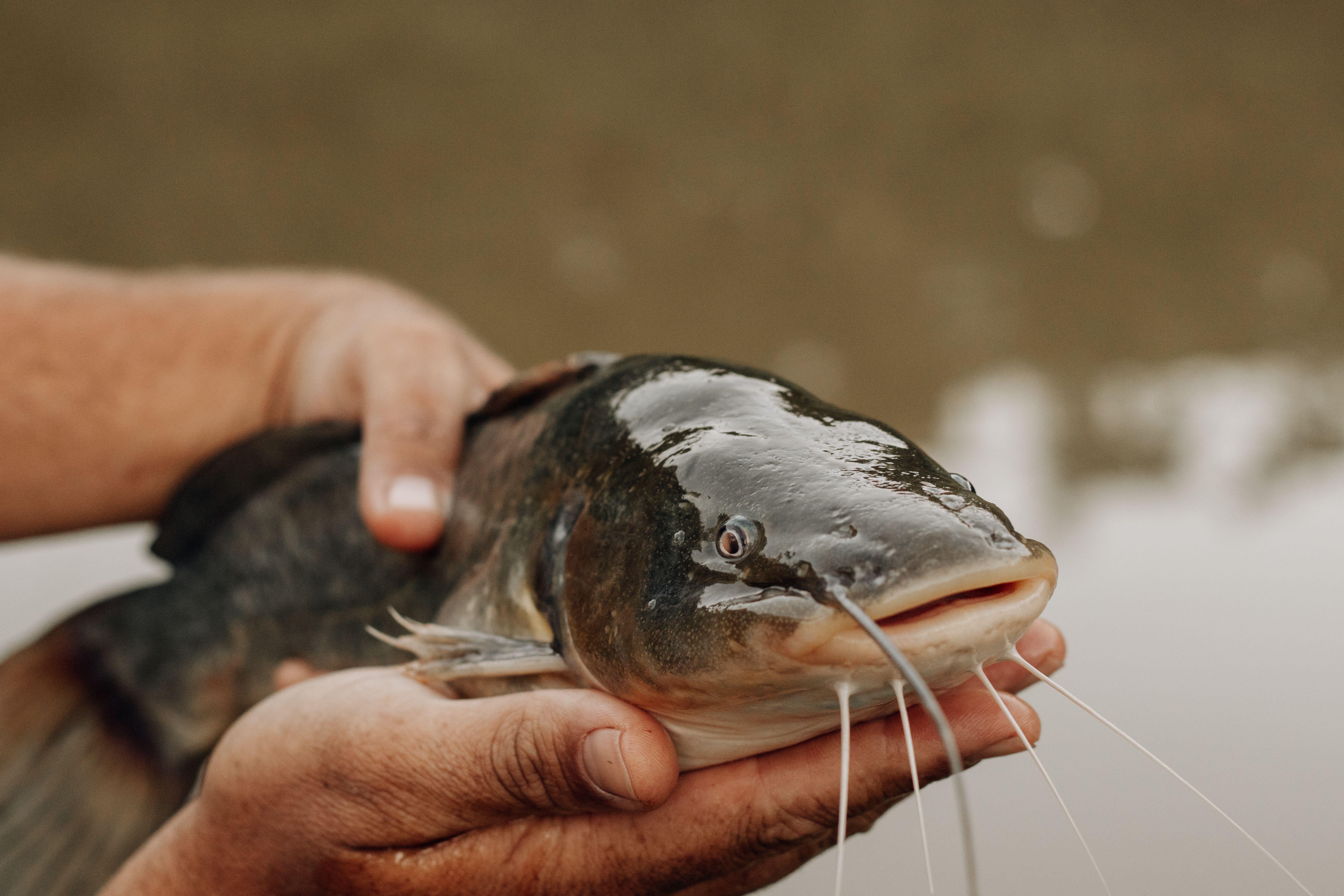
Ebro or Po catfish trips is a core part of premium guided fishing because clients are not buying a random day outdoors; they are buying a structured, safe and well-prepared experience. Both destinations are connected by giant catfish, but water character, logistics and trip rhythm differ significantly. A serious guide service therefore needs more than attractive photos and strong promises. It must understand fish behaviour, water conditions, seasonal timing, tackle limits and the true experience level of the guest.
Why this topic matters
Ebro or Po catfish trips is a core part of premium guided fishing because clients are not buying a random day outdoors; they are buying a structured, safe and well-prepared experience. Both destinations are connected by giant catfish, but water character, logistics and trip rhythm differ significantly. A serious guide service therefore needs more than attractive photos and strong promises. It must understand fish behaviour, water conditions, seasonal timing, tackle limits and the true experience level of the guest.
The role of professional background
Small differences often decide whether a day becomes empty effort or a memorable session. Timing, lure speed, depth, current, feeding strategy or boat position can all be critical. The Ebro is often a more structured destination with broader service background, while the Po can feel more expedition-like. The guide creates value by thinking ahead, reading changes and involving the guest in the process. The angler becomes an active learner rather than a passive passenger.
What mistakes does a good guide prevent?
Most failed trips are not ruined by one dramatic error but by a chain of smaller poor decisions: late starts, weak location choice, unsuitable tackle, permit confusion, unrealistic expectations or no weather contingency. If the client chooses the wrong venue for their experience and comfort level, even a strong fishery can disappoint. A premium guide reduces these risks before they become the client’s problem.
Practical takeaway
A premium trip becomes valuable when local expertise, preparation, equipment and communication reinforce one another.
Client experience and communication
The value of a trip is not defined only by the number of fish landed. Guests remember whether communication was clear, whether they received a packing list, whether there was a backup plan and whether the decisions on the water made sense. Good sales here is not a price list; it is matching the destination to the desired experience, physical load and service expectation. Professional communication reduces uncertainty, builds trust and creates a better experience even when nature is difficult.
Sustainability and responsible operation
A strong angling business does not consume the resource it depends on. Careful fish handling, respect for rules, cooperation with local communities and reduced unnecessary pressure all belong to a premium mindset. For the client, this is a quality signal: the provider is thinking long term rather than chasing a single photo.
When is this service level justified?
Premium guiding is especially justified when the client is using rare vacation time, traveling internationally, arranging a gift experience, organizing a company event or targeting a trophy fish. In those situations, the cost of a poor decision is much higher than on a casual local session. A higher service level becomes risk reduction and experience protection.
Conclusion
Ebro or Po catfish trips becomes real value only when it is supported by a working professional system. A guide is visible on the water, but the work begins much earlier through preparation, questions, planning, observation and decisions. The guest feels that they have not booked a random activity, but entered a well-designed angling experience.